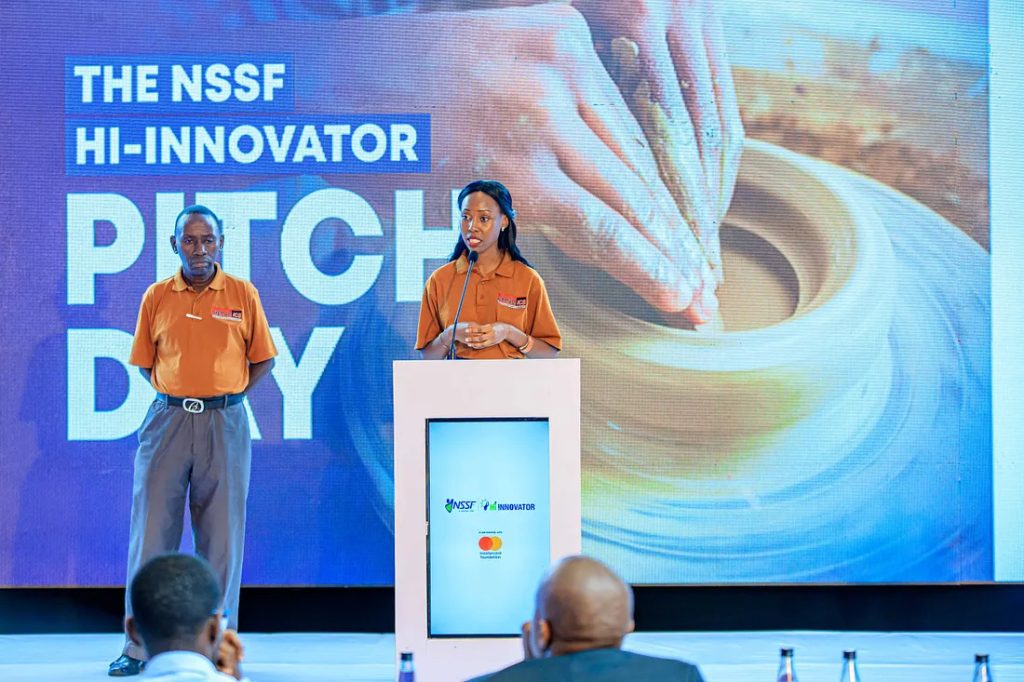
Evidence from Entrepreneurship Support Organizations (ESOs) portfolios in Uganda and Kenya shows that pitch competitions alone do not guarantee long-term success. While regional hubs have attracted thousands of applicants over the past five years. Participating in pitch events helps startups gain visibility, build networks, and improve their investment readiness. However, pitching alone does not guarantee long-term success.
Research indicates that over 60% of startups that participated in multiple pitch engagements registered more value than those that only pitched once. Benchmarks from Nairobi Innovation Week and the iHub Startup Challenge suggest that sustained engagement builds resilience and sharper strategic thinking. Portfolio data also shows businesses that allocate funding toward product development, market entry, and technology scaling to perform better than those that spend mostly on operations.
Startups that have tested their products through real pilot projects are more likely to reach growth targets within a year of receiving financing. Additionally, businesses led by founders with industry experience and strong, well-balanced teams also perform better than those without clear structure. Most importantly, entrepreneurs in programs that provide both mentorship and funding are more likely to attract follow-on financing, with up to 40% higher chances compared to those who receive funding alone.
These insights highlight an important shift that ESOs must prepare businesses to be investment-ready, not just pitch-ready. This requires strengthening internal systems, having proper financial records, enforcing compliance processes, ensuring defined team roles, and realistic growth plans. Investment readiness is about proof of traction, structure, and accountability. It moves beyond presentation skills to operational discipline.
Research shows that investment-ready entrepreneurs show steady growth, products tested with real customers, a clear understanding of how much they earn and spend per customer, and documented processes. They can explain exactly how capital will be used compared to the pitch-ready founders who often lack operational depth and data.
Enterprise Support organizations need to therefore play a role in guiding founders when to not take funding. For example, if a business is still refining its product market or lacks strong internal controls, early capital can create pressure that weakens performance. Supporting entrepreneurs to strengthen systems before raising funds often leads to more sustainable growth.
For entrepreneurs seeking funding platforms or pitch events, it is important to choose programs that focus not only on presenting ideas, but also on regulatory compliance and building strong business skills, so that they are not just celebrated on stage, but fully prepared to grow and sustain their businesses over time.